
WCR Travels to Seoul to Speak at Global Policy Dialogue to Advance the Prevention and Elimination of Technology-Facilitated Gender-Based Violence
WCR Indonesia
14 March 2025
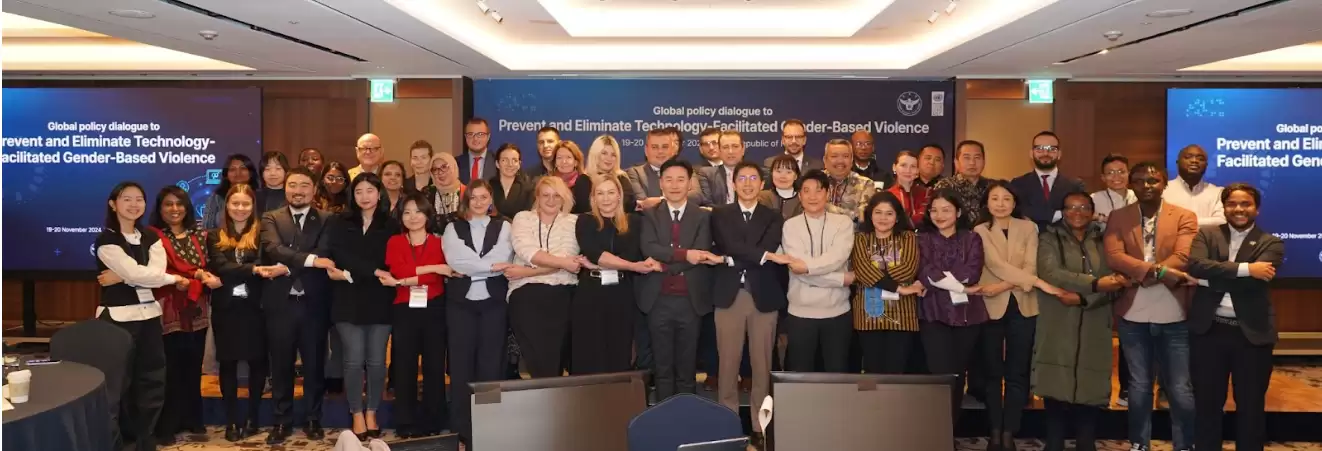
In November 2024, WCR Indonesia was invited to be a speaker and participant in an international conference held by the UNDP Seoul Policy Center and the Korean National Police Agency (KNPA) entitled, "Global Policy Dialogue to Advance the Prevention and Elimination of Technology-Facilitated Gender-Based Violence." The conference, held in Seoul, South Korea, invited various speakers and participants from various backgrounds ranging from civil society groups, government, police and the UN agency itself from other UNDP partner countries, such as Indonesia, Ivory Coast, North Macedonia, Bangladesh, Bosnia and Herzegovina, Georgia and of course South Korea.
This global meeting was opened directly by Mr. Lee Jun Hyeong (Director General for International Cooperation Bureau) and Ms. Anne Juepner (Director of UNDP Seoul Policy Center). Not only that, several officials from various stakeholders also gave their congratulatory speeches such as Mr. Cho Ji Ho (Commissioner General KNPA), H.E. Lee Inseon, MP (Chairperson of Gender Equality and Family Committee, National Assembly of the Republic of Korea), H.E. Lee Sang-min (Minister of the Interior and Safety of the Republic of Korea) and also H.E. Mr. Ban Ki-moon (The 8th Secretary General of the United Nations).
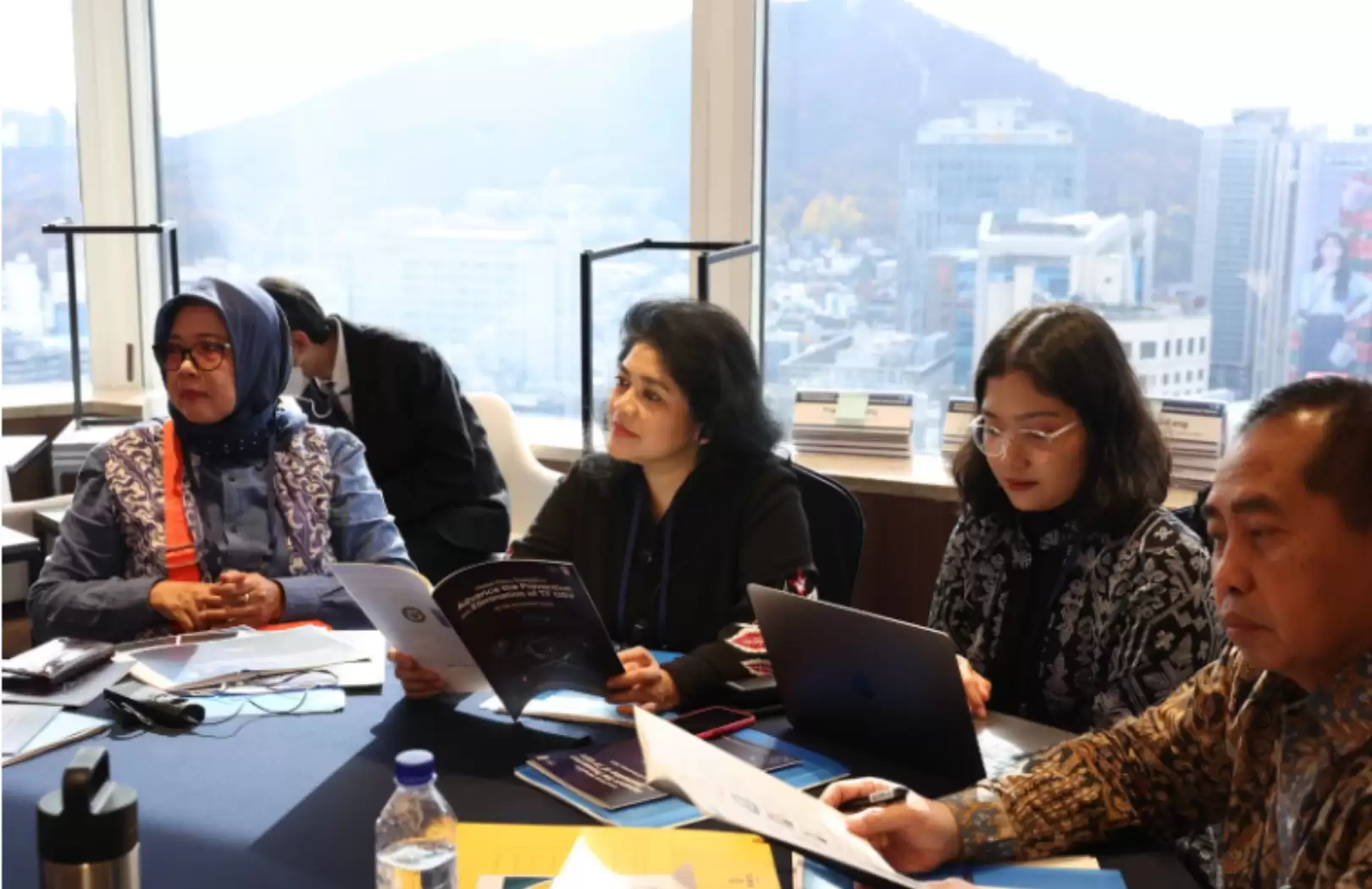
The purpose of this meeting is to share experiences and lessons learned from each country with different perspectives. For example, by presenting research findings and information developments on challenges in TF GBV cases from both civil society groups and the police, sharing experiences of new initiatives carried out by civil society groups and the police to respond to, prevent and support victims of TF GBV cases. Through this meeting, participants can also expand their networks and strengthen capital for future cooperation and advocacy.
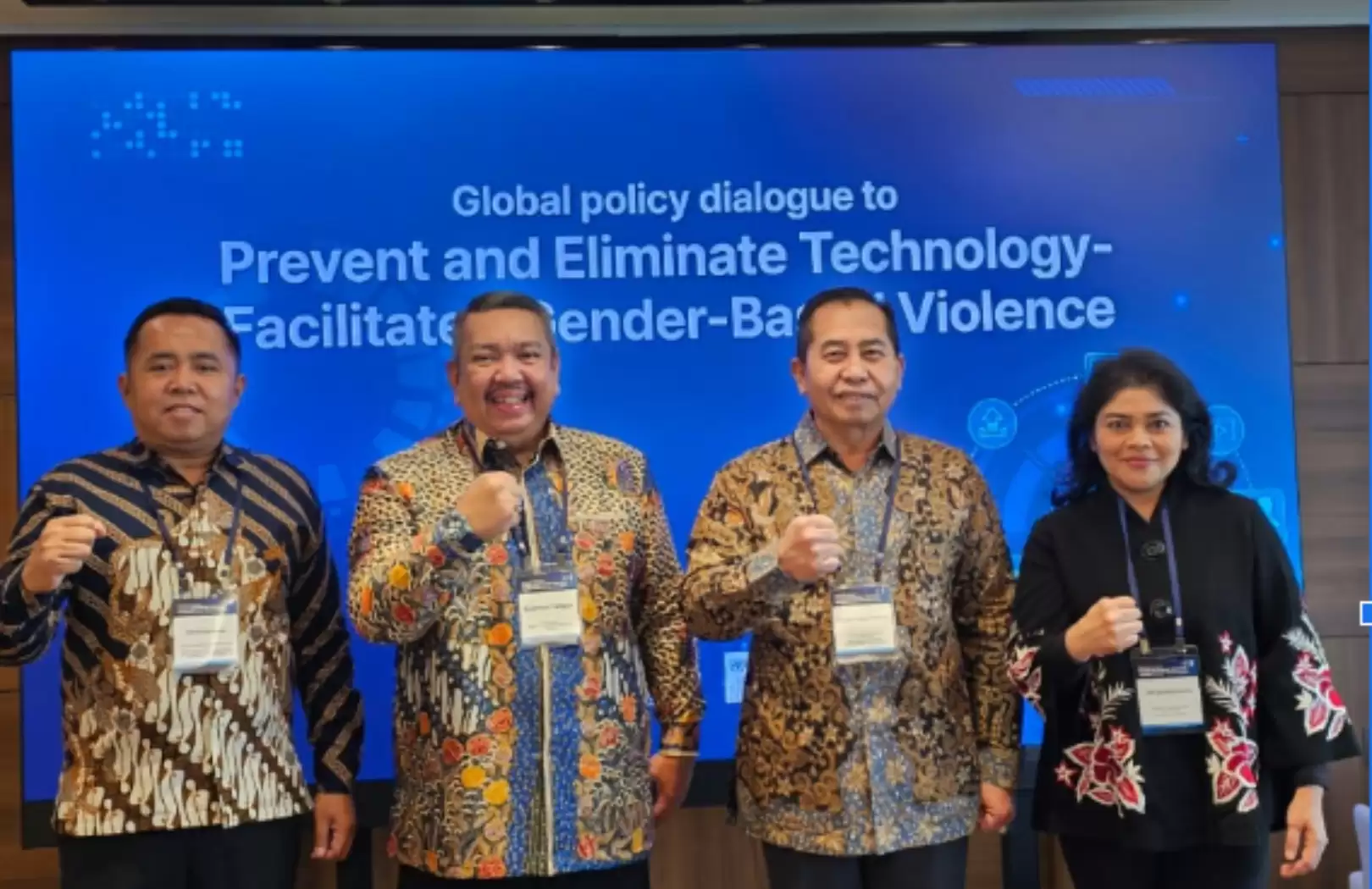
In general, there are six key topics discussed in this global meeting, namely understanding the dynamics of TF GBV cases, the importance of the legal framework, the role of law enforcement agencies, the role of civil society groups and opportunities to collaborate in responding to and preventing TF GBV. The Indonesian delegation had the opportunity to give a lecture in the session on the role of law enforcement agencies in addressing TF GBV represented by our partner, Lemdiklat Polri, as well as in the session on the role of civil society groups in initiating programs that support victims of TF GBV.
The Role and Initiatives of Law Enforcement Agencies in Indonesia in Eradicating TF GBV
On the first day, the delegation from Indonesia, Brigadier General Dr. Susilo Teguh Raharjo (Head of Bindiklat Lemdiklat Polri) and Selina Prameswari (Co-Founder and Head of Research and Development WCR Indonesia), presented a joint presentation explaining several initiatives of Lemdiklat Polri to prioritize education and training for police in Indonesia related to handling TF GBV cases. For example, strengthening regulations to improve police training in Presidential Regulation No. 20/2024 concerning the Change of the Women and Children Protection Unit (PPA) to the PPA-PPO Directorate and Regulation of the Chief of Police No. 13/2024 to continue the inauguration of this directorate.
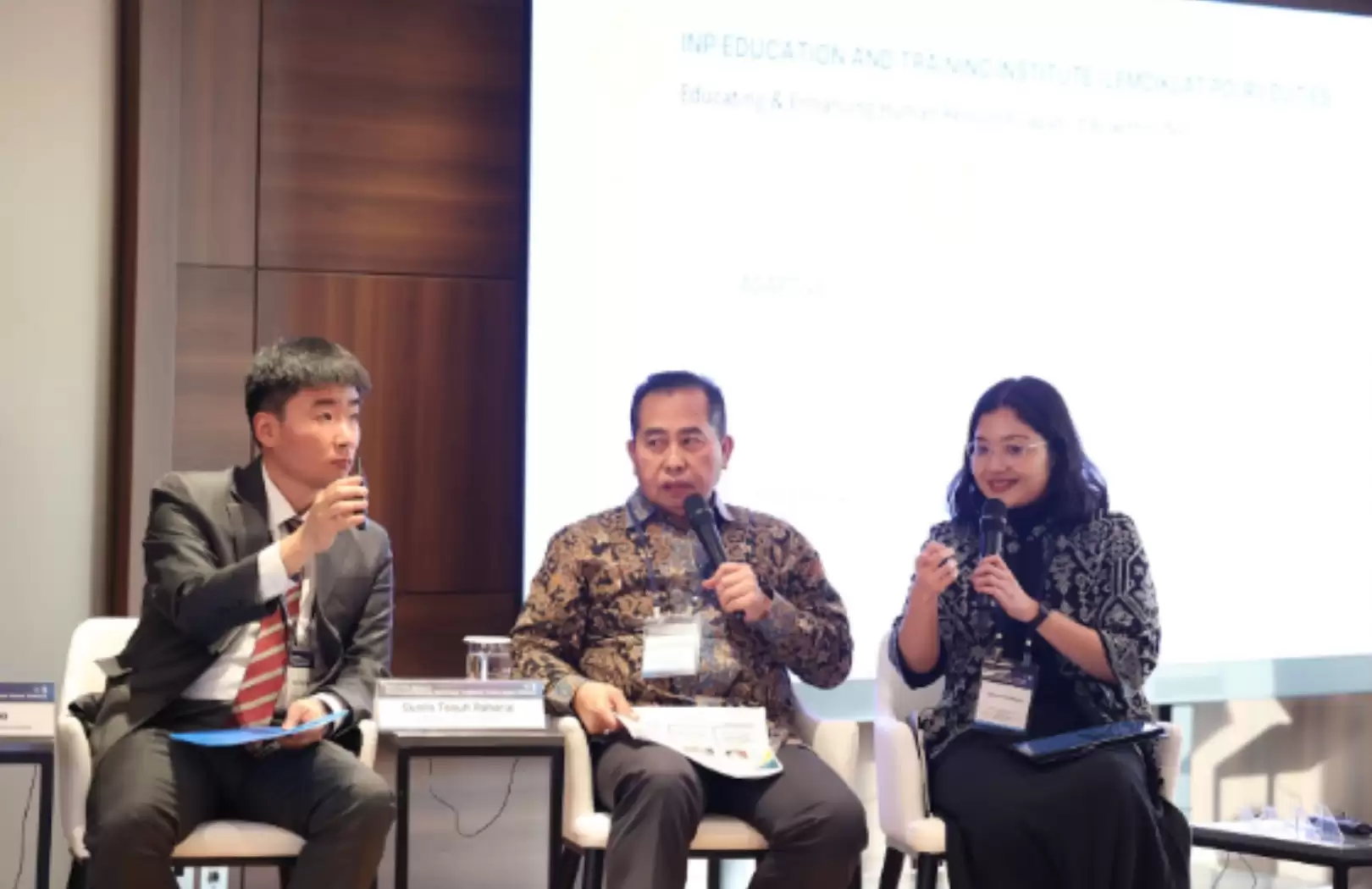
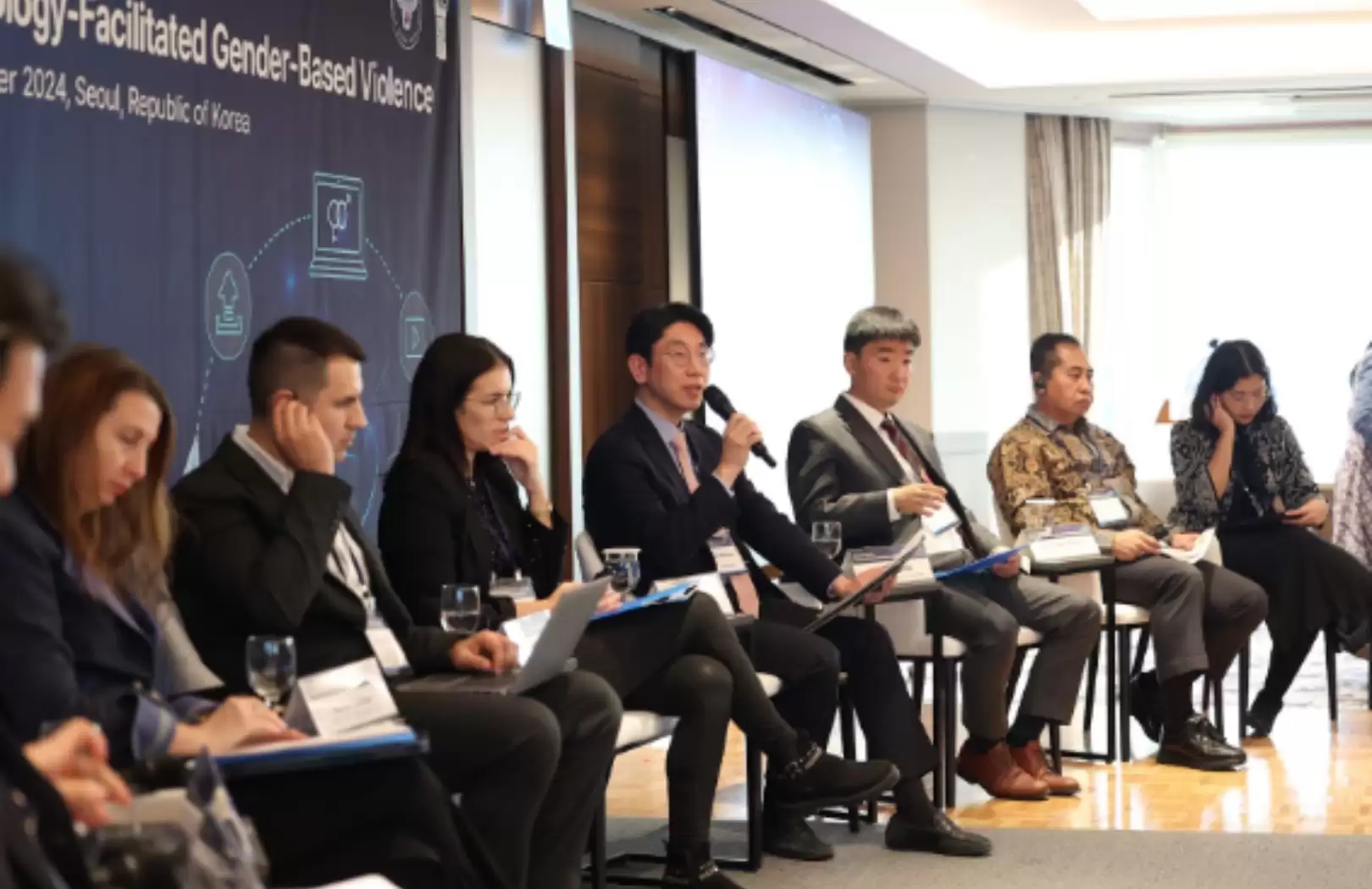
Through this regulation, Lemdiklat Polri also continues to develop its curriculum and teaching materials to adapt to TF GBV cases by looking at linear literacy, cooperation with various parties, and increasing access to education and training for female police officers. In addition, this session was also filled by speakers from the Bosnian and Herzegovina Police, especially in the Department of Combating Computer Crime, as well as the Department of High-Tech Crime at the Ministry of Internal Affairs of Republika Srpska, Federation of Bosnia and Herzegovina.
Civil Society Initiatives to Support Survivors and Prevent the Recurrence of GBV
Meanwhile, on the second day, Dr. Margaretha Hanita, S.H., M.Si. (Founder and Director of WCR Indonesia) joined a panel discussion with Alan Greig (Independent Researcher, Gender Team UNDP), Martin Nacevski (Project Manager UNDP North Macedonia), Ana Lobzhanidze (Gender Advisor UNDP Georgia) and Robo Nadiradze (Project Analyst on Women’s Political Empowerment, UNDP Georgia). In her presentation, WCR Indonesia discussed the programs carried out to prevent TF GBV and its challenges in Indonesia. We also discussed with our partners in presenting other initiatives such as from the Awas KBGO! - SAFEnet team and What If It Was You (#WIIWY) Digital Activism on TikTok by FISIP UI Class of 2021. The short paper can be read below.
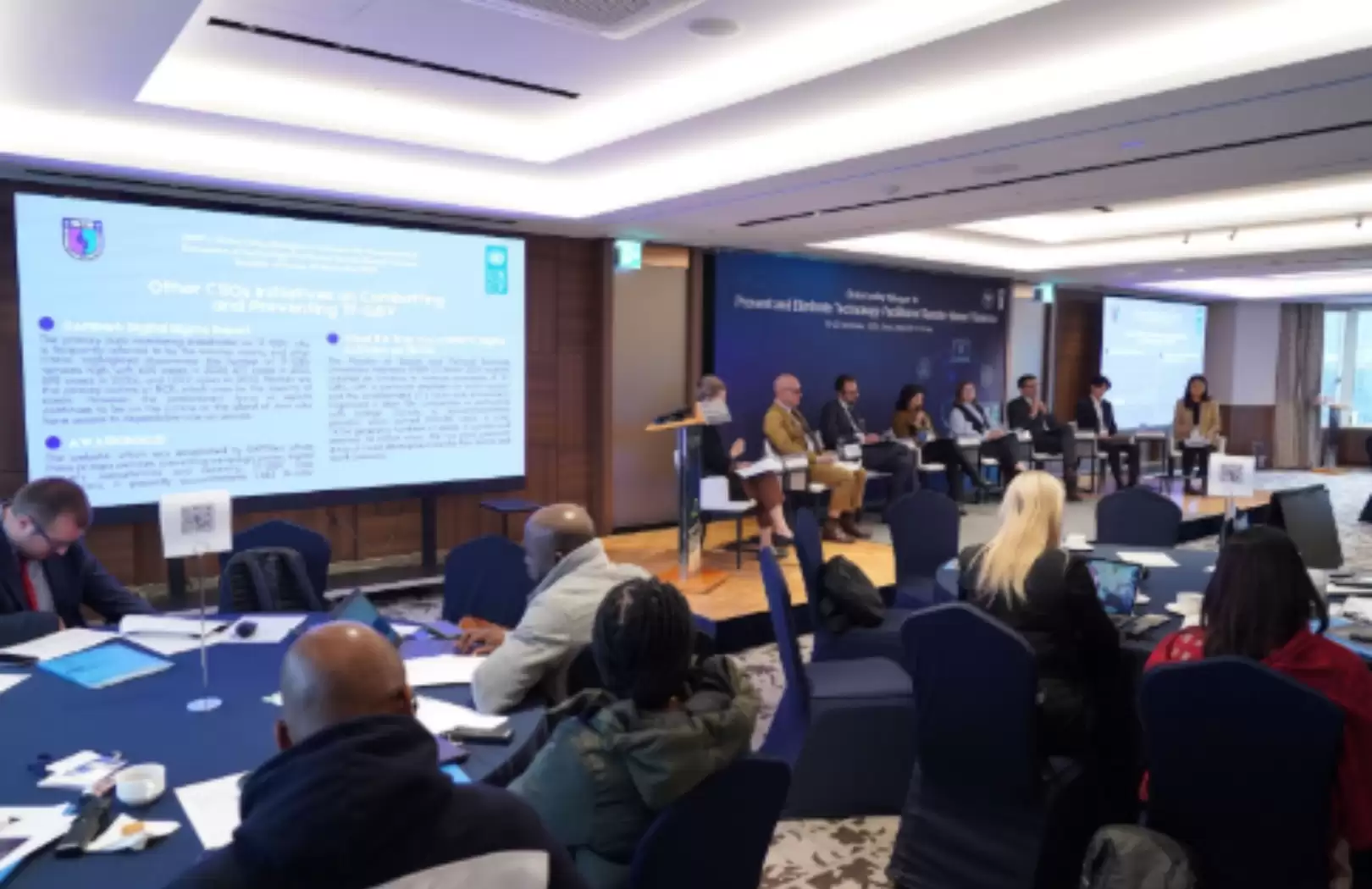
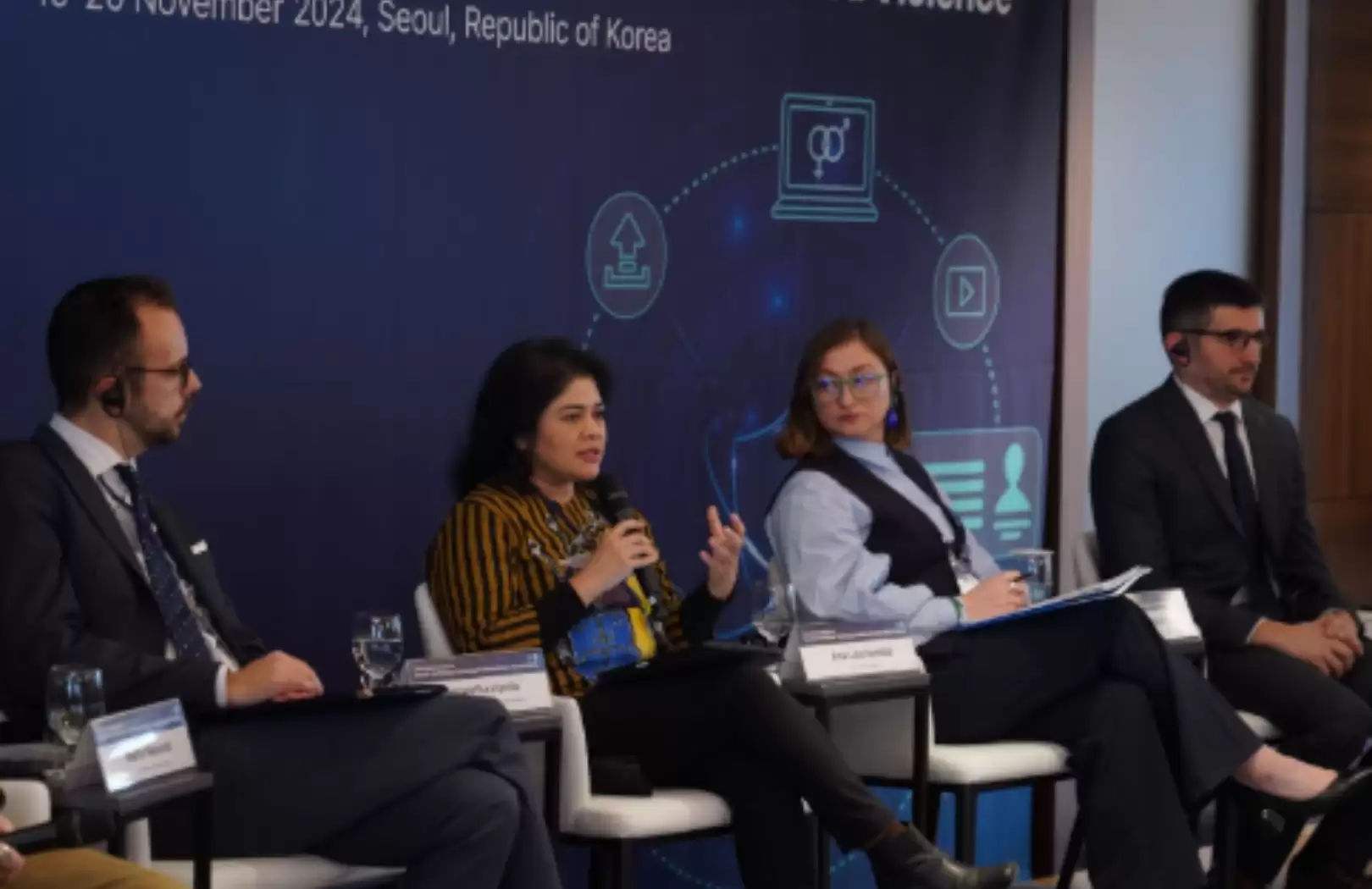
In addition, the WCR Indonesia delegation was also actively involved in a focused discussion that discussed the role of cooperation mechanisms in dealing with TF GBV. At least, the WCR Indonesia delegation provided input related to the experiences of civil society groups, government and law enforcement in Indonesia and Southeast Asia. For example, in Indonesia, cooperation mechanisms already exist, but meetings are not always routine and there are still many challenges in uniting the voices of various actors who have their own sectoral egos.
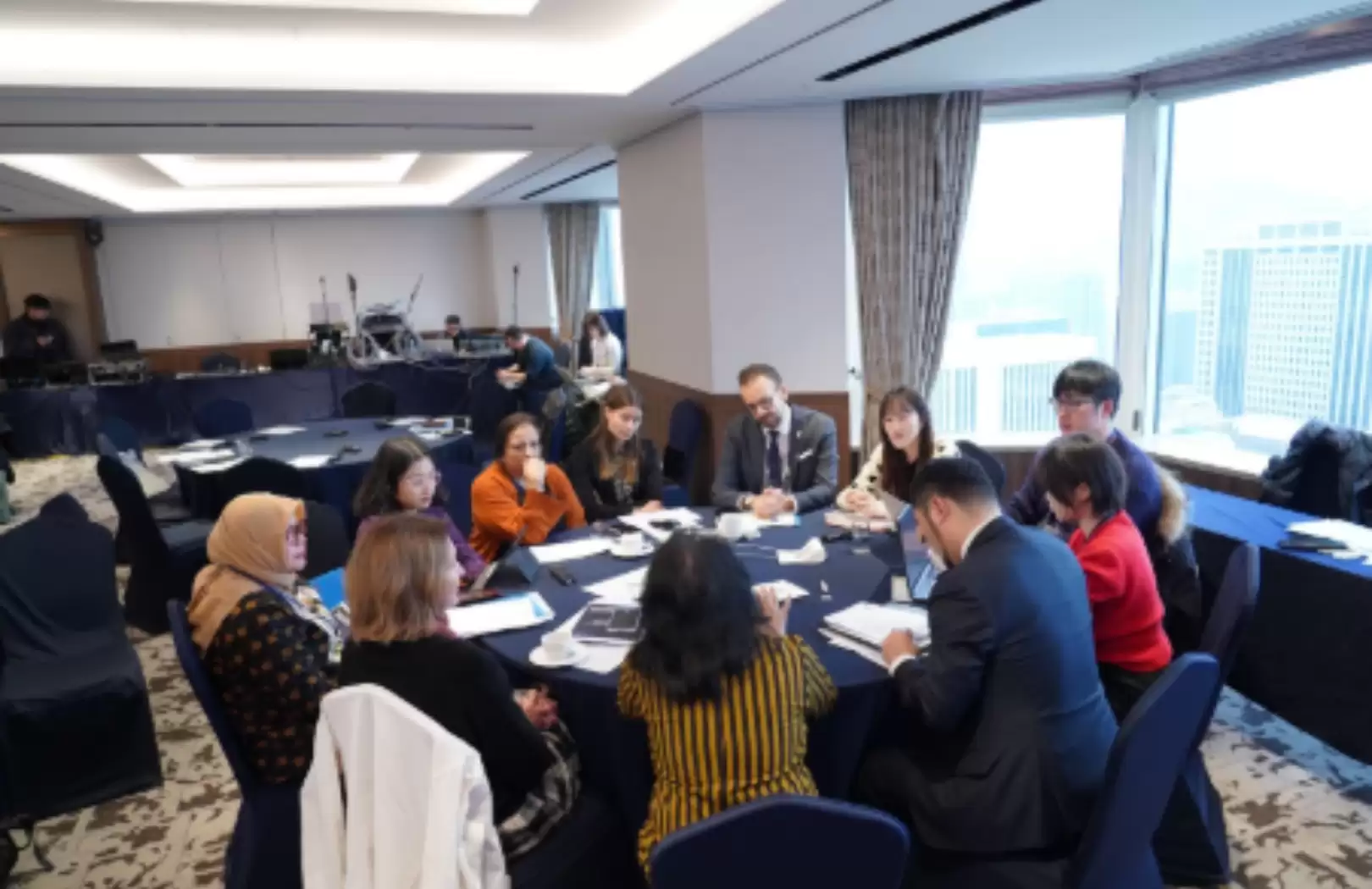
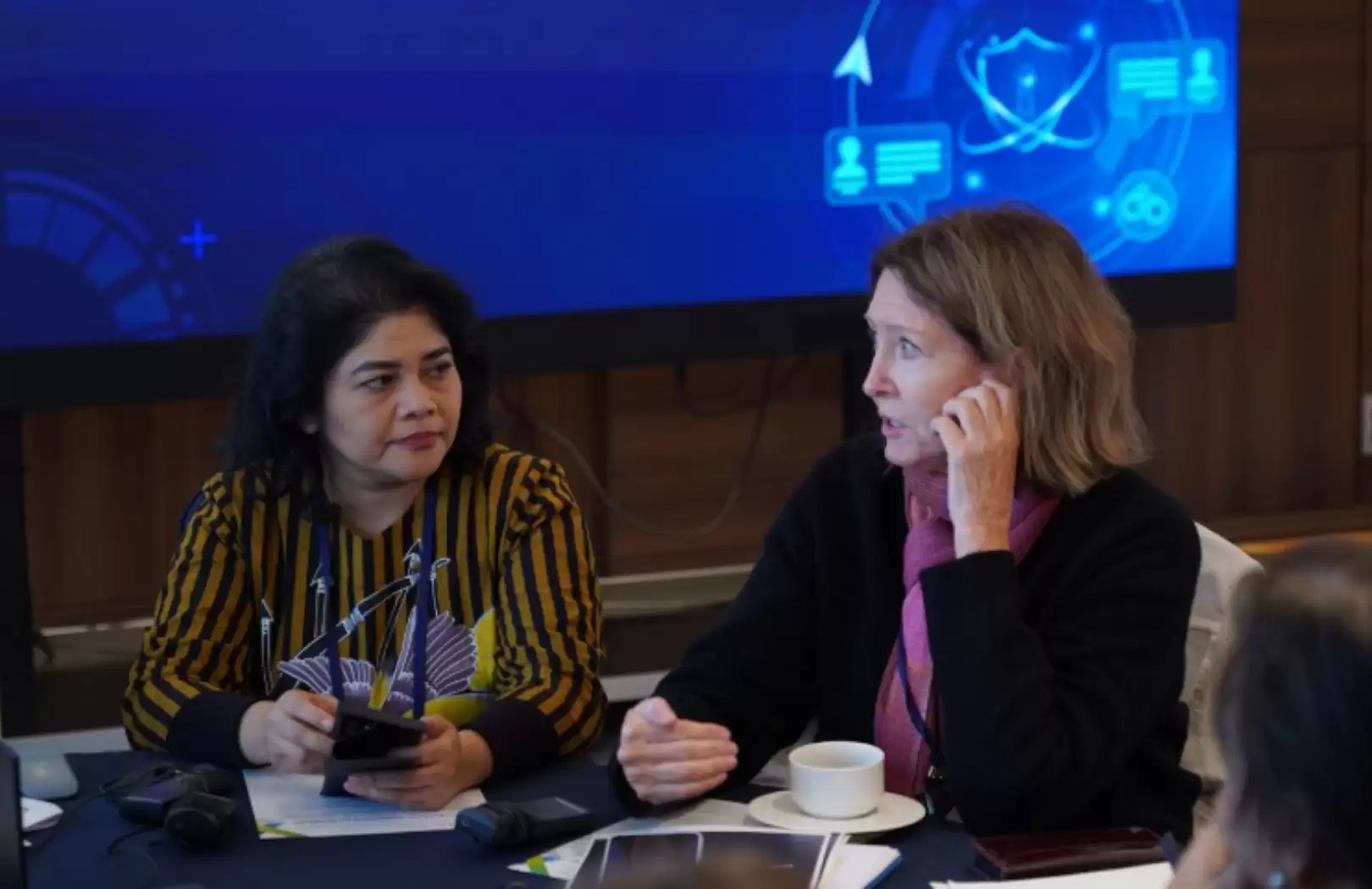
Not only that, WCR Indonesia also believes that there is a need for alternative strategies in dealing with TF GBV, starting from collaborating with various communities (including communities with disabilities, indigenous peoples and other marginalized communities), telecommunications companies, technology experts, academics, law enforcement, local governments, central governments, and other related actors. For example, at the community level, due to limited human resources and access to various victim services, there needs to be driving figures in the community who become counselors (peer-counselors).
From Seoul, We Learn That…
First, the handling of TF GBV which continues to be a global concern is a strategic opportunity to strengthen the Indonesian government's commitment to eradicating TF GBV and providing decent services for every survivor of violence. At the national level, Indonesia has enacted the TPKS Law in 2022 and until now the supporting regulations are still being worked on, as well as at the police level which has just developed the PPA-PPO Directorate. Not only that, the latest government has also placed a female minister in the Ministry of Communication and Digital, so this could be a valuable opportunity for the Indonesian government to develop the handling of TF GBV which is still very lagging behind in Indonesia.
Second, considering the various opportunities that Indonesia has, starting from the existing legal framework and the organization of institutions that are more pro-survivors of violence, important factors such as human resources still need to be pursued. This is because the capacity to handle TF GBV cases in Indonesia is still not evenly distributed and adequate, both among law enforcers, civil society groups and various other actors. Moreover, if it is associated with cases that have a fairly sophisticated level of technology, this is increasingly challenging for all of them.
Finally, learning from other delegates, dealing with TF GBV is not easy, in fact it is very difficult, so it cannot be done alone. We need to increase collaboration with various related actors and of course those who care about survivors of violence. This collaboration is of course not only the responsibility of the government, law enforcement and civil society, we can learn from the telecommunications company in South Korea, namely KakaoTalk and an independent institution in Australia called eSafety Commissioner.
See More:
Brief Paper Delegasi WCR Indonesia
Rilis Pers UNDP Seoul Policy Center
Written by: Selina Prameswari


