
From Indonesia to Bangkok: WCR Participates in a Global Dialogue to Strengthen Digital Security and Protection for Survivors of TF-GBV
WCR Indonesia
02 January 2026
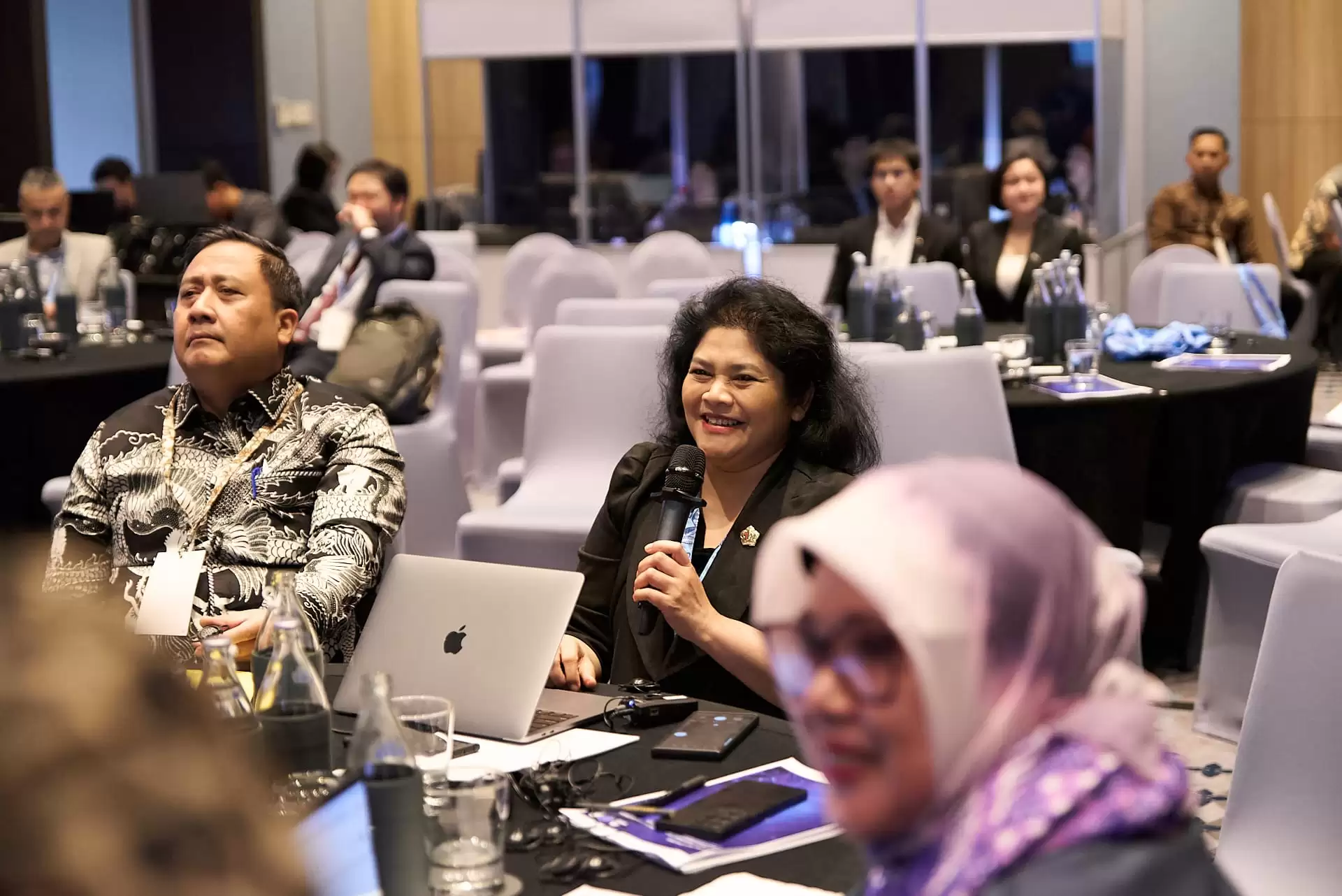
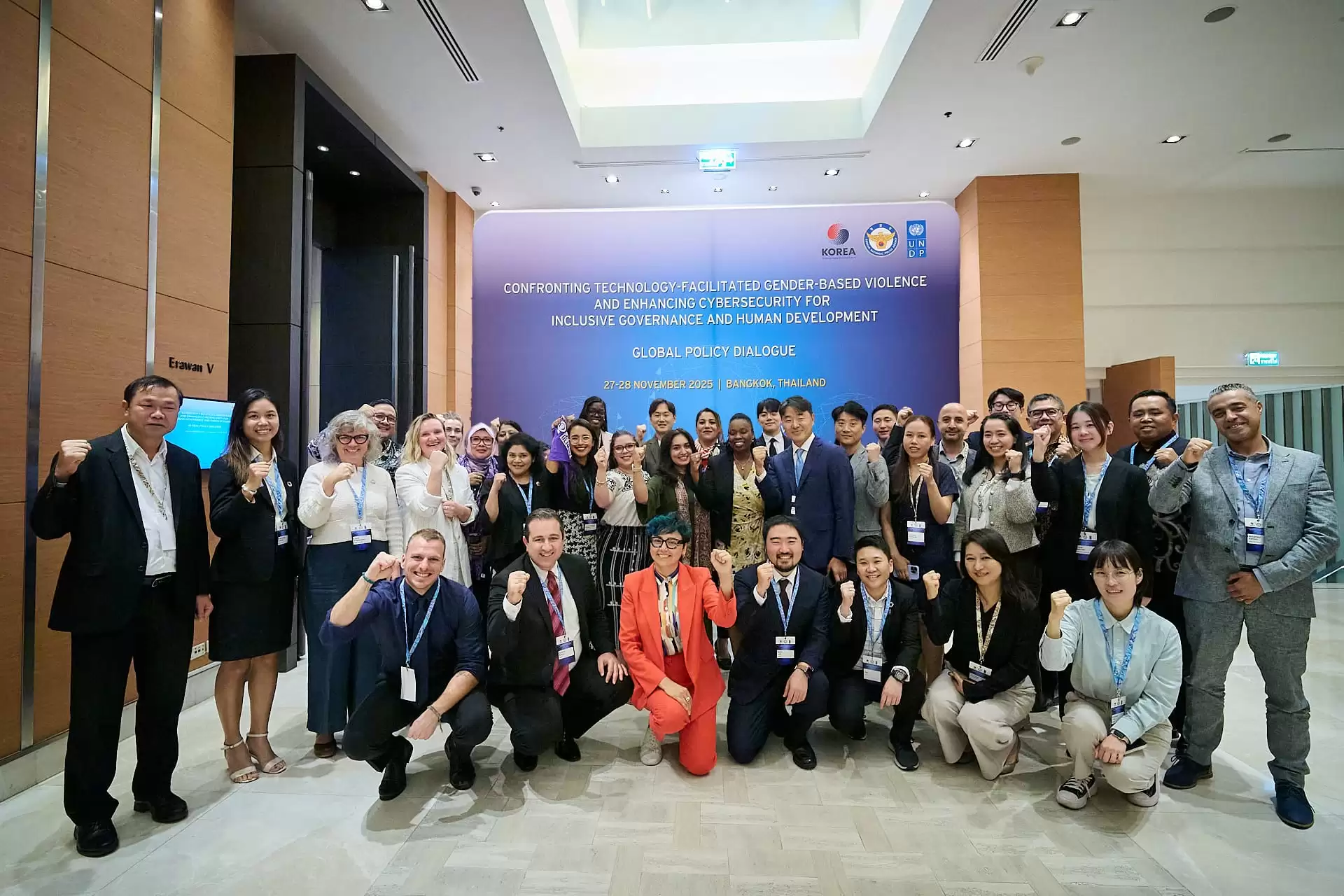
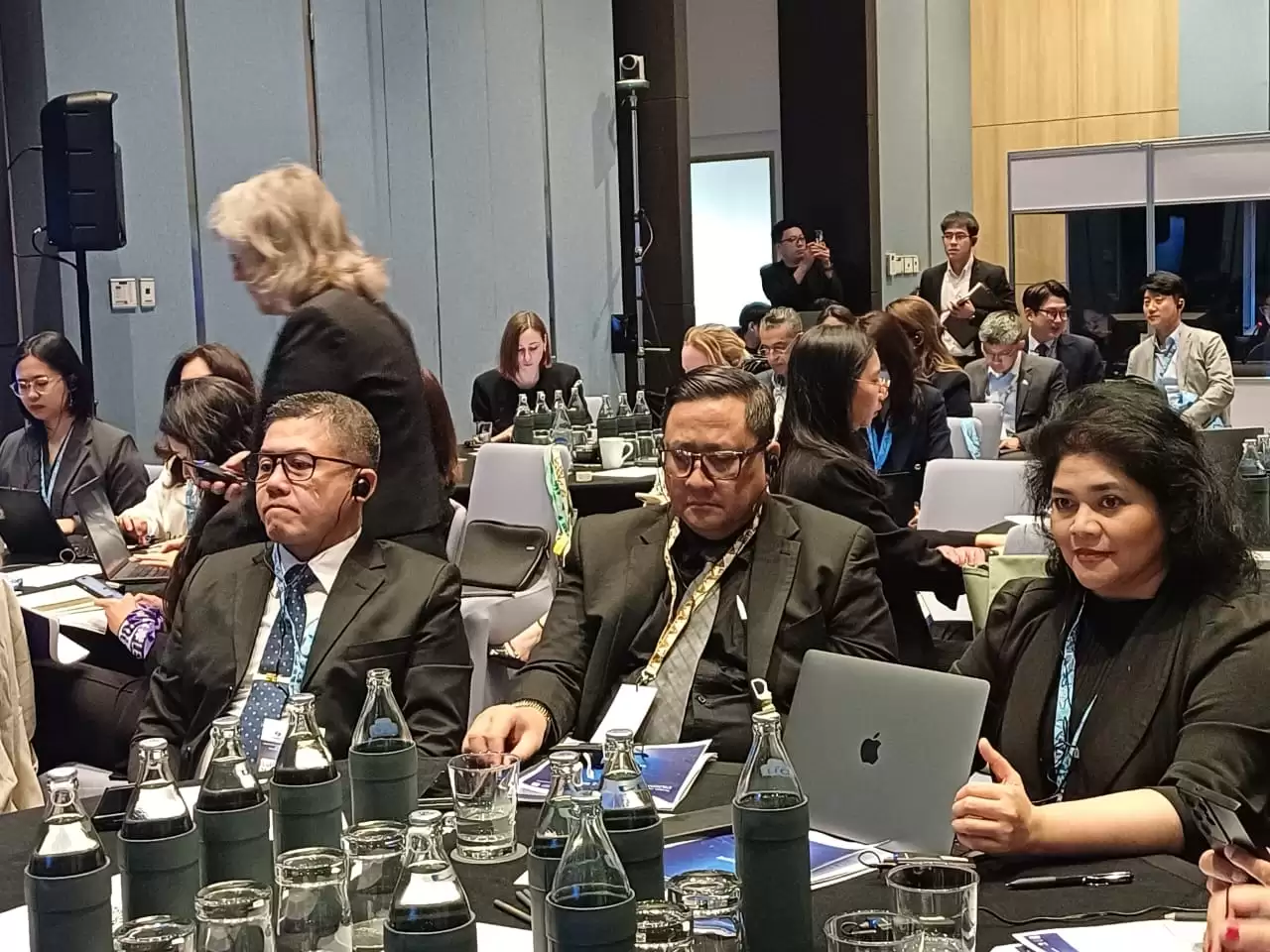
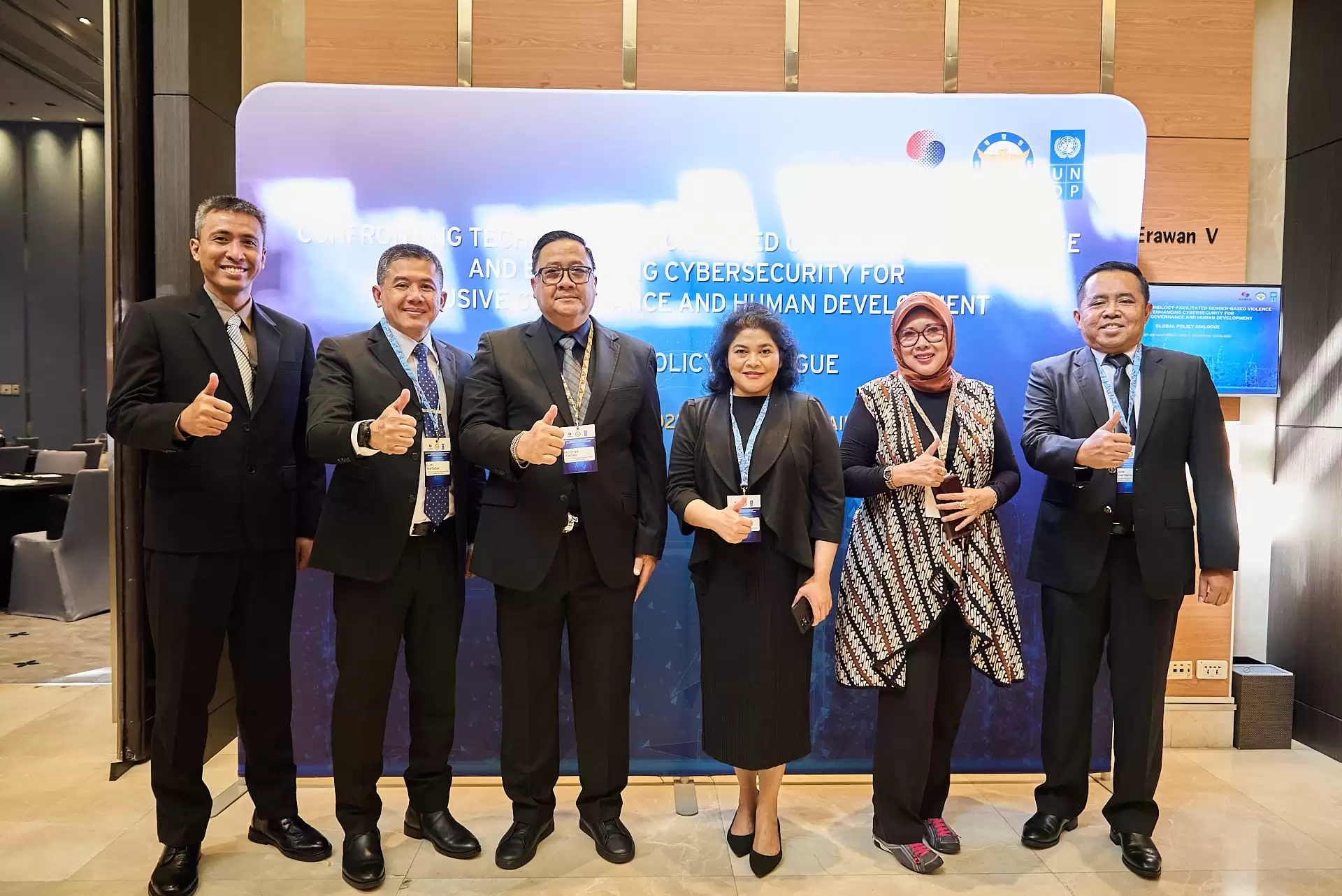
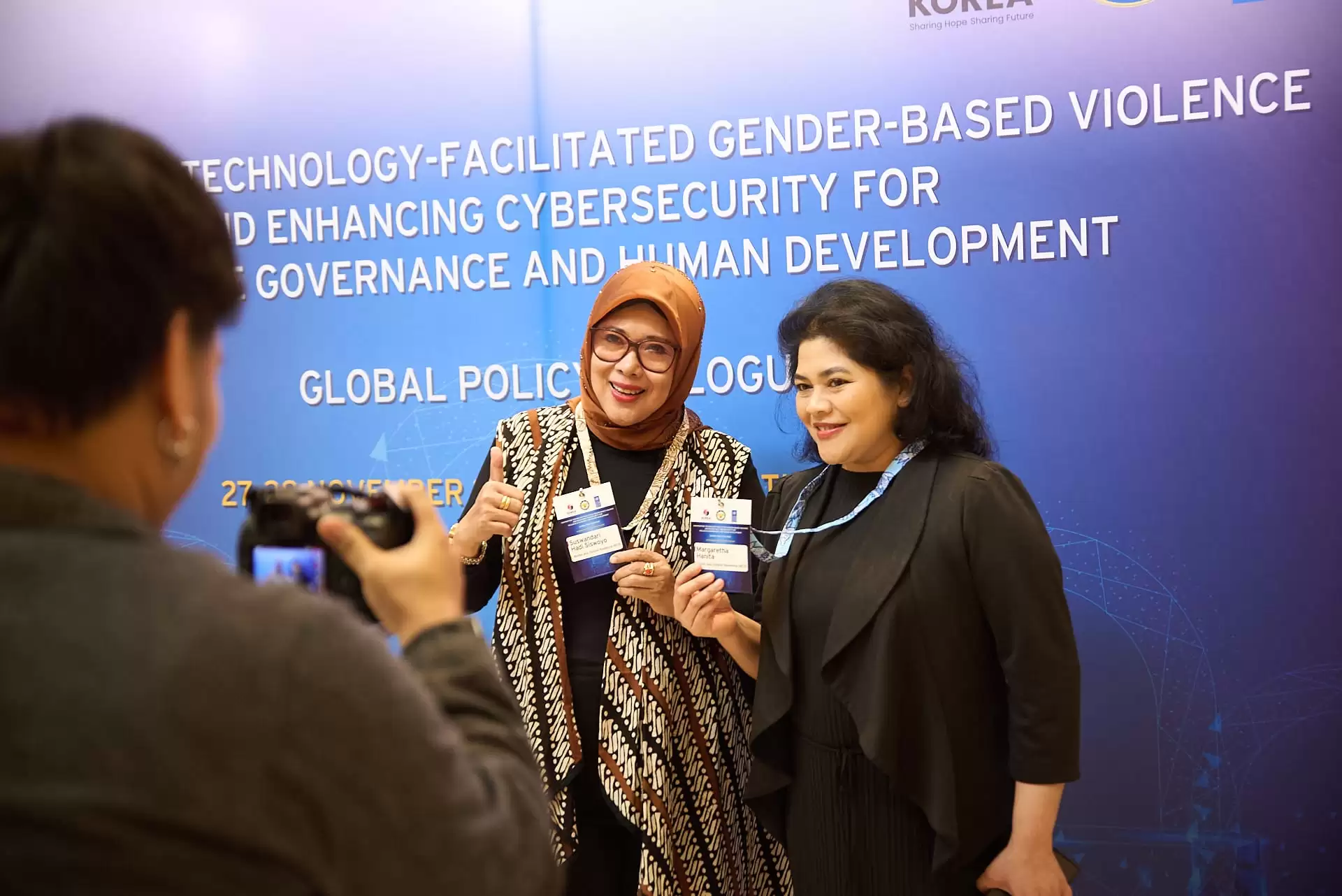
On 27–28 November 2025, WCR Indonesia once again had the opportunity to participate as both a speaker and participant in an international forum organized by the United Nations Development Programme (UNDP) in collaboration with the Korean National Police Agency (KNPA). The event, titled “Global Policy Dialogue: Confronting Technology-Facilitated Gender-Based Violence and Enhancing Cybersecurity for Inclusive Governance and Human Development,” was held in Bangkok, Thailand.
This global forum brought together representatives from more than ten UNDP partner countries, representing diverse backgrounds including civil society organizations, law enforcement agencies, government institutions, non-governmental organizations, and academia. Participants jointly discussed emerging challenges, opportunities, and international cooperation in addressing technology-facilitated gender-based violence (TF-GBV) and cybersecurity threats through justice-oriented, law enforcement, and multisectoral approaches.
Rapid digital transformation has created new opportunities, but it has also generated serious challenges, including disinformation, hate speech, cybercrime, and gender-based violence. TF-GBV disproportionately targets women with public visibility—such as journalists, activists, and politicians—and further exacerbates the vulnerabilities of women in crisis-affected contexts. In many countries, existing legal frameworks remain insufficient to effectively address these issues, resulting in high levels of impunity for perpetrators.
The Global Policy Dialogue aimed to review progress on global commitments and law enforcement capacities, identify emerging trends in TF-GBV, including politically motivated violence, and develop a multi-stakeholder action framework that strengthens survivor-centered justice. The forum sought to foster global knowledge exchange, build consensus on shared principles for collective action, and establish collaborative guidelines linking global, regional, and national levels.
The event was conducted through expert panel discussions, small-group sessions, networking activities, and the development of joint publications. Discussions covered six key themes: international legal frameworks, survivor-centered policing, emerging AI-related threats, responses to politically motivated TF-GBV, and cross-sector collaboration and financing mechanisms.
Participants included representatives from the governments of Korea and Thailand, various United Nations agencies—such as UNDP, UN Women, UNICEF, UNFPA, UNHCR, and UNODC—as well as civil society organizations, the private sector, academia, philanthropic institutions, and partner countries including Indonesia, Kenya, Laos, Mexico, Tunisia, Sierra Leone, and Iraq.
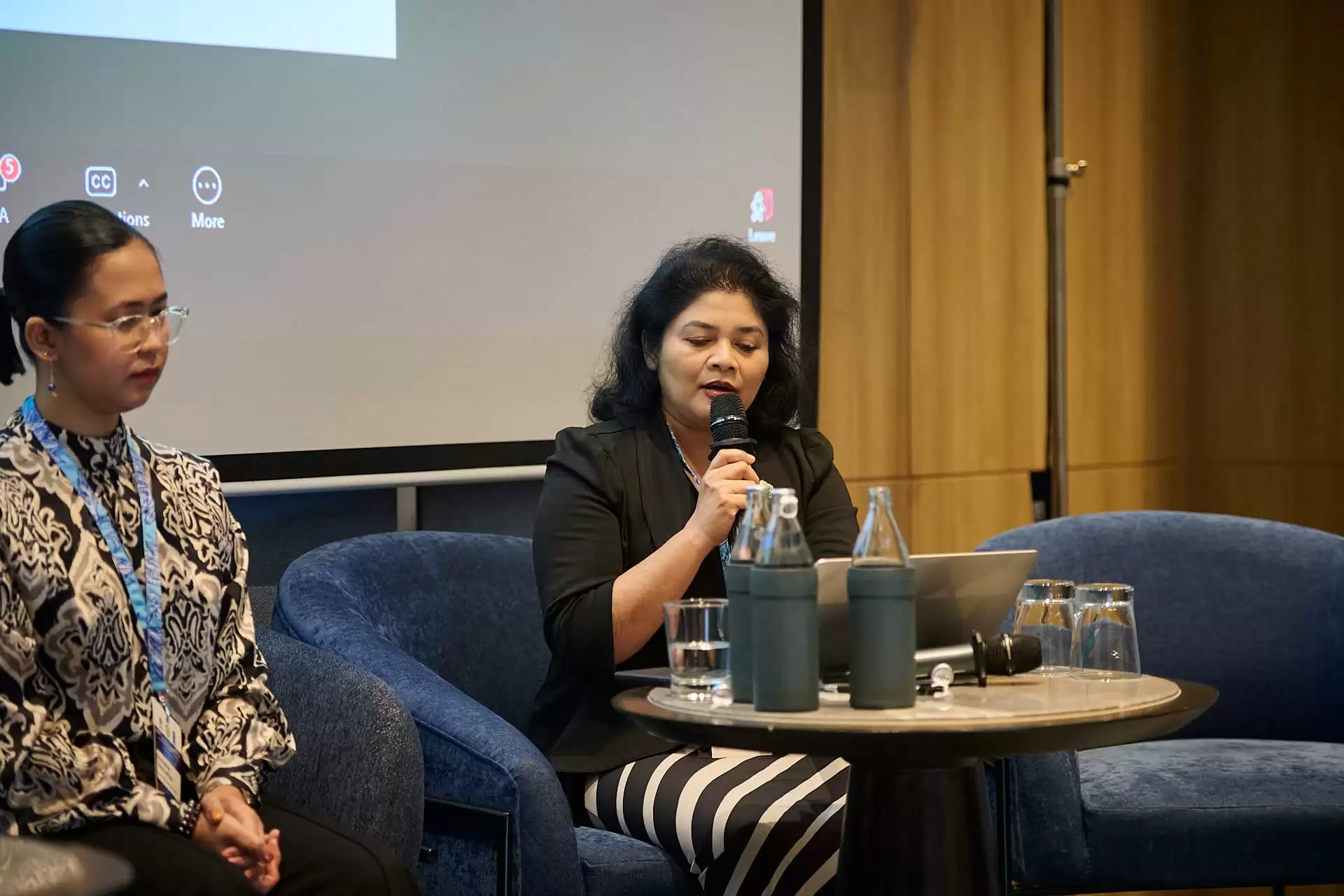
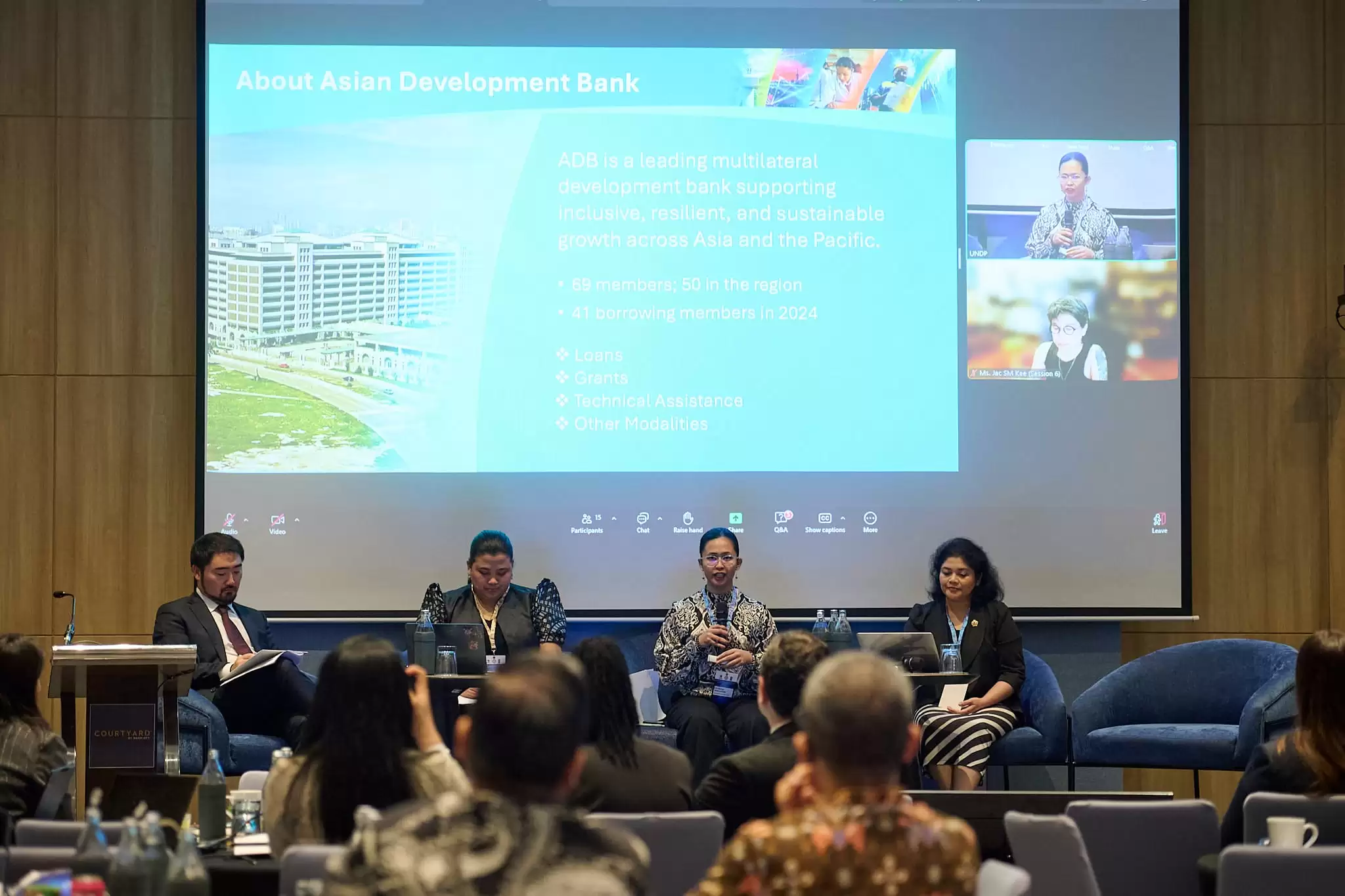
WCR Indonesia was represented by Dr. Margaretha Hanita, S.H., M.Si., Founder and Director of WCR Indonesia, who served as a speaker in Session 6: Principles, Mechanisms & Financing for Multi-Stakeholder Collaborations. This session focused on strengthening collaborative principles, partnership mechanisms, and sustainable financing to accelerate responses to technology-facilitated violence.
In her intervention, Dr. Hanita presented the perspective of civil society organizations in Indonesia and emphasized the importance of synergy among key actors—governments, law enforcement agencies, international institutions, the private sector, and grassroots communities—in building a stronger, more sustainable, and survivor-centered ecosystem to address TF-GBV.
WCR Indonesia’s participation in the 2025 Global Policy Dialogue reaffirms its commitment to advocating for safe and equitable digital spaces for women and children. The forum opened new opportunities for collaboration while strengthening the international networks needed to address the increasingly complex challenges of TF-GBV. Moving forward, WCR Indonesia will continue to actively contribute to policy advocacy, capacity-building, and cross-sector partnerships to ensure that every survivor receives the protection, support, and justice they deserve.