
WCR Becomes Facilitator Team in Increasing the Capacity of Police Investigators to Handle Gender-Based Violence Cases Facilitated by Technology
WCR Indonesia
14 March 2025
Do You Know About Technology-Facilitated Gender Based Violence (TF GBV)?
As the use of digital technology in everyday life increases, this innovation also facilitates new and diverse forms of gender-based violence. Although not a new phenomenon, technology-facilitated violence against women and girls has increased rapidly in recent years both globally and nationally. Based on findings by the Economist Intelligence Unit, at least 38% of women in the world have been victims of technology-facilitated gender-based violence while 85% of women have witnessed others being victimized online.
The types of violence experienced usually consist of hate speech, identity theft, hacking and stalking, coordinated efforts to simultaneously share damaging content across multiple platforms, doxxing to unwanted video or image-based harassment or other sexually explicit content.
Based on a report published by the United Nations Population Fund (UNFPA) and the University of Melbourne in 2023, the type of violence facilitated by technology is very dangerous and has an intersectional impact on various aspects of survivors' lives. There are at least five aspects that are impacted, namely physical, psychological, economic, sexual, to social and political.
However, this real and increasing impact is not accompanied by full support from policy makers, legislators, the wider community and other organizations. Therefore, in 2022, the United Nations began a campaign to create an emergency resolution to eradicate this technology-based violence. Most recently, in July 2024, the Human Rights Council also issued a resolution (A/HRC/56/L.15) to prepare a study on this phenomenon, look at good practices, make recommendations and call for collaboration between actors that need to be strengthened.
Collaboration of Civil Society, International Institutions and Law Enforcement in Combating Technology-Facilitated Gender-Based Violence
Based on data published by the National Commission on Violence Against Women, from May 2022 to December 2023 there were 2,766 cases of gender-based violence facilitated or carried out online. Meanwhile, data on complaints received by the SAFEnet institution from January to September 2024 has handled at least 1,544 cases. WCR Indonesia believes that with the lack of digital education and socialization about these types of violence, the number of cases is definitely higher than that reported.
Through the enactment of the TPKS Law and the official establishment of the Directorate of Criminal Acts for the Protection of Women and Children (PPA) and Criminal Trafficking in Persons (PPO) at the National Police Criminal Investigation Unit, technology-facilitated gender-based violence can then be recognized as a criminal offense and survivors can access various services provided.
However, civil society groups are still concerned about the low capacity of human resources from service institutions to law enforcement. In fact, they will be the front line when survivors access assistance. In fact, the results of WCR Indonesia's research and interviews also stated that law enforcers admit that they still face major challenges in providing the necessary training.
As a form of global project initiative to increase police capacity in combating gender-based violence in the digital realm, the UNDP Seoul Policy Center (USPC) in collaboration with the Korean National Police Agency (KNPA) conducted training activities with police from Indonesia and Ivory Coast. Through the network that WCR Indonesia has with the police and UNDP Indonesia, we were finally selected to facilitate the training which was attended by Polri investigators from the PPA and Cyber Units in the Jakarta area and its surroundings.
Police Training in Combating Gender-Based Violence: KNPA x Polda Metro Jaya (Part I)
The first stage of the Training of Trainers was held on 28-30 May 2024 in a hybrid manner with USPC and KNPA. This time, the participants still consisted of senior investigators and those selected from the PPA Unit, Cyber Unit and several other related units in the Jakarta area totaling 23 people. This training session was also opened directly by the Director of Criminal Investigation of Polda Metro Jaya, Senior Commissioner Wira Satya Triputra.
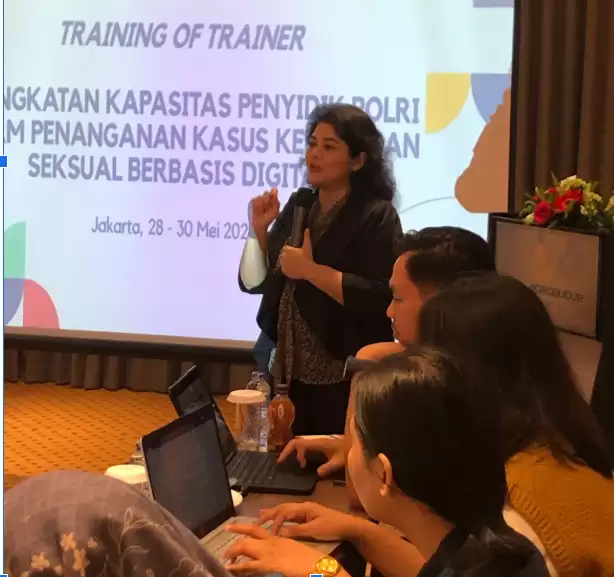
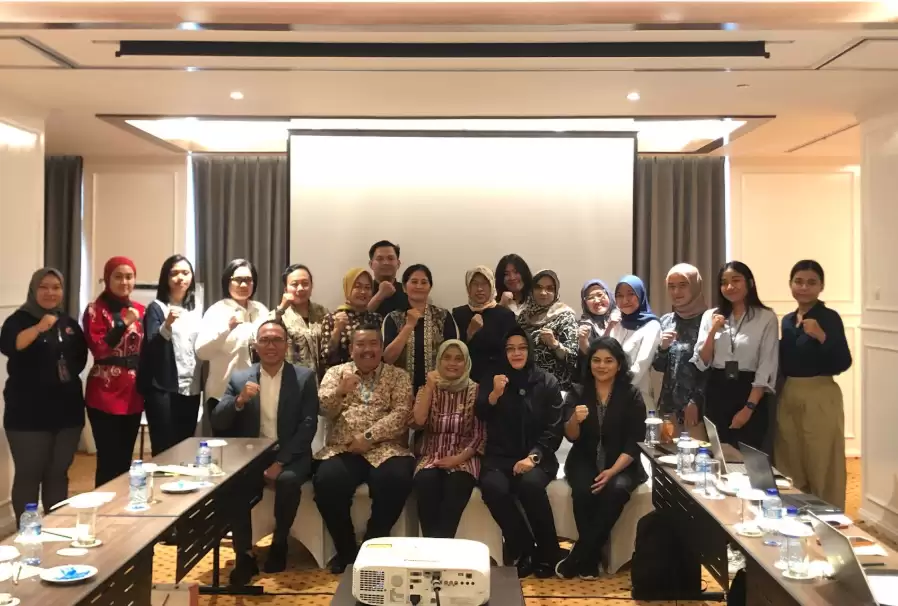
For three days, the participants intensively discussed with experts from Indonesia, ranging from forensic doctors, LPSK, UPTD PPA to psychologists to reformulate the basic needs that are important for the capacity of law enforcement. While the next session was a webinar with KNPA which discussed the good practices of the South Korean police in the national legislation system that protects victims, police training curriculum, reforming its organization to be more responsive to making plans for further training in Indonesia.
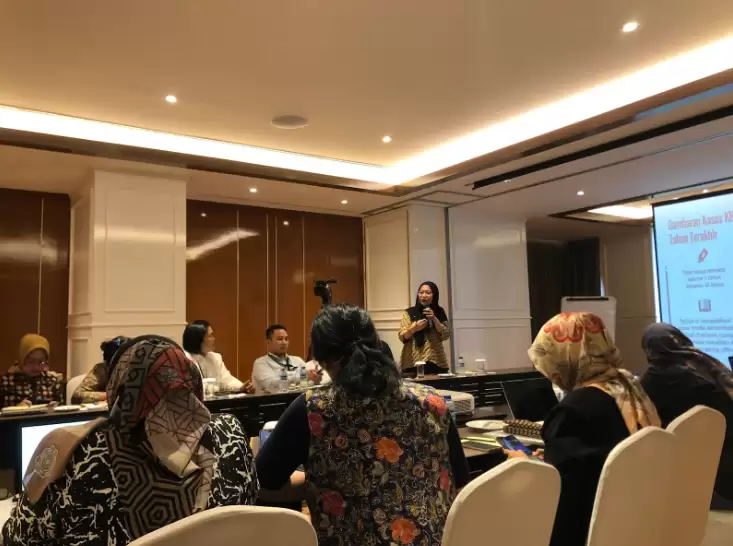
Several speakers consisted of: Sri Nurherwati (Deputy Chairperson of LPSK), Dr. Rita Wulandari (Criminal Investigation Unit of the Indonesian National Police), AKBP Ida Bagus Gede Adi Putra Yadnya (National Police Psychologist), dr. Boge Priyo Nugroho (Forensic Doctor, Coordinator of PPT Bunga Tanjung Team, Tarakan Regional Hospital), Noridha Weningsari (UPTD PPA), Sungnam Jung (Investigator/Professor, Women's and Juvenile Affairs Division, Korean Police Investigation Academy), Yuncheng Chan (Senior Inspector/Team Lead, Investigation and Legal Support Team at KNPA), Min Gyu Kang (Korean Police Investigation
Police Training in Combating Gender-Based Violence: KNPA x Lemdiklat Polri (Part II)
The next stage of training was held on 20-22 August 2024 offline at Lemdiklat Polri, Jakarta. Delegates from USPC and KNPA came to Jakarta this time with the aim of helping Indonesia improve their capacity in preventing and responding to TF GBV and to build a policy environment that promotes the protection of victims of such violence. This training was opened directly by the Head of Lemdiklat Polri, Commissioner General of Police Dr. Purwadi Arianto, M.Sc. and the Head of Democratic Governance and Poverty Reduction UNDP Indonesia, Mr. Siprianus Bate-Soro.
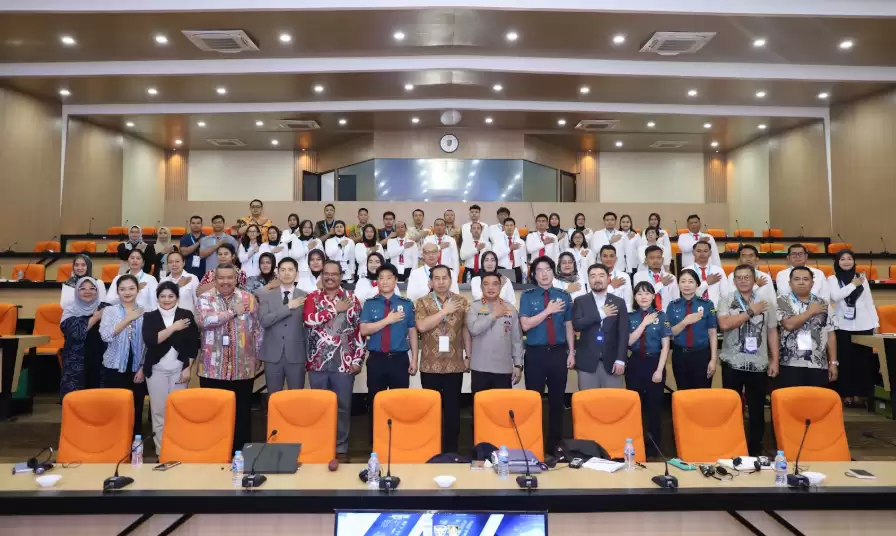
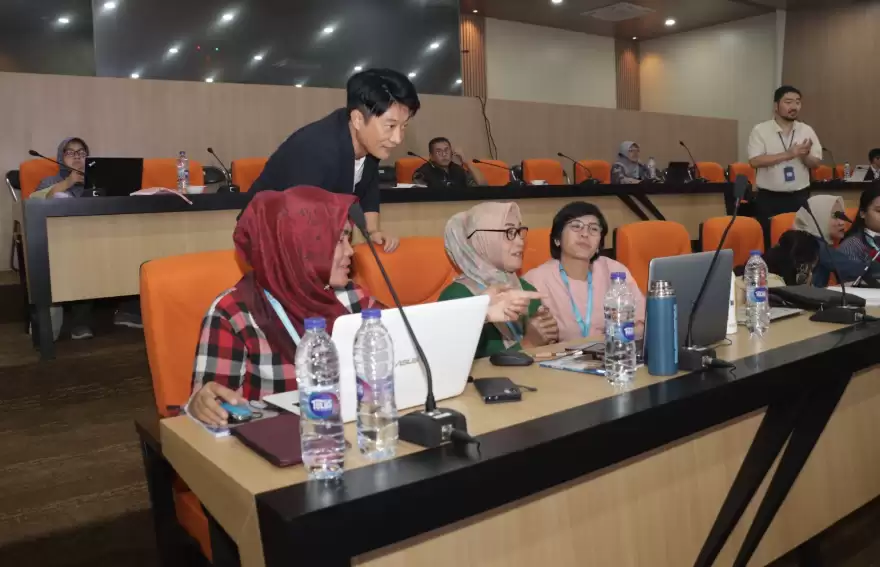
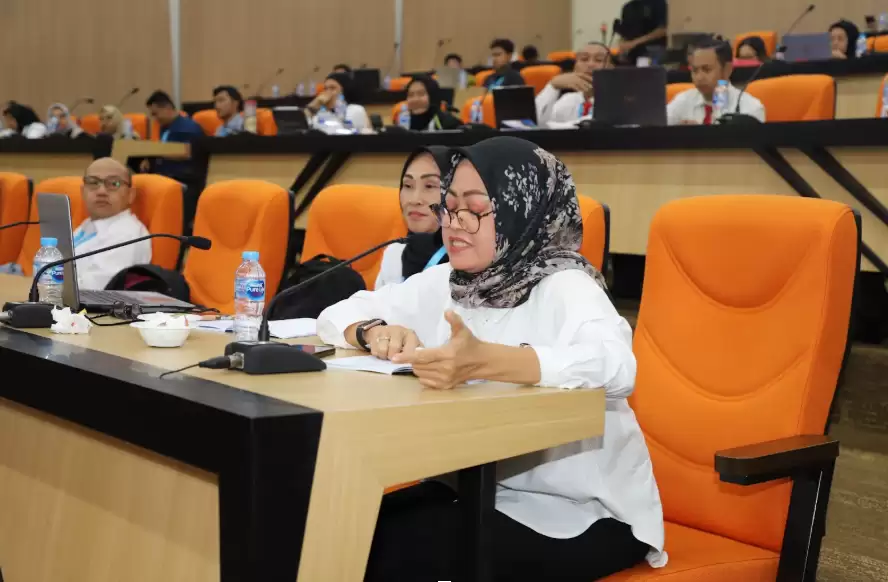
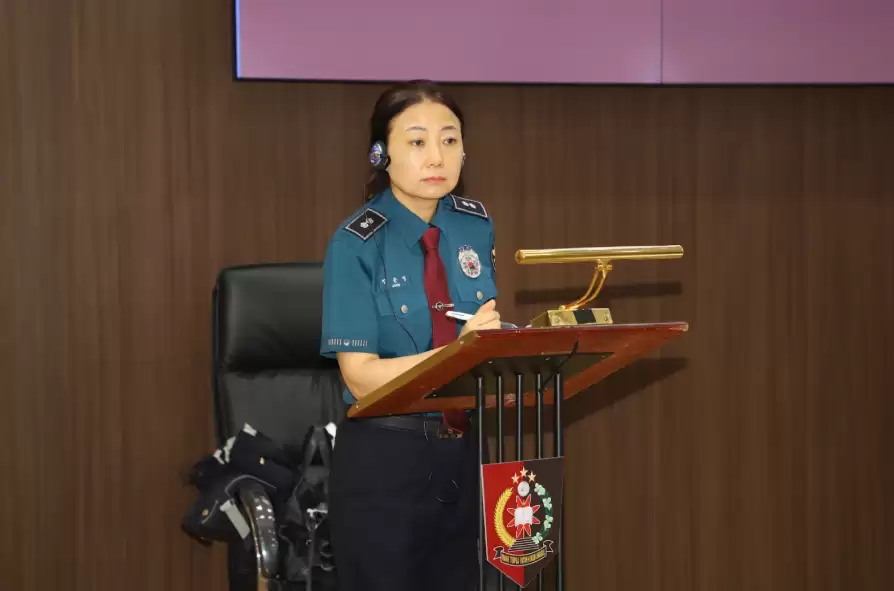
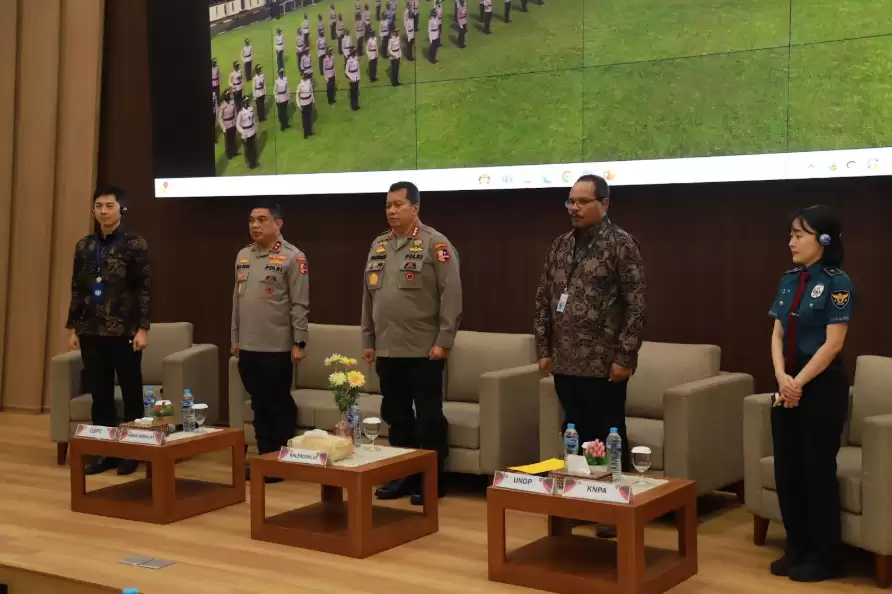
This second training has empowered many important officials and related investigators, around 100 people from various regions, not just Jakarta. This more intensive program is carried out with another aim to spread broader and more flexible knowledge through hybrid methods and learn directly from professionals at KNPA.
The topics discussed this time consist of theoretical and practical learning such as protection mechanisms that focus on survivors, pro-survivor police reporting and response, cyber investigation techniques in TF GBV cases and reflections on good practices from South Korea and Indonesia.
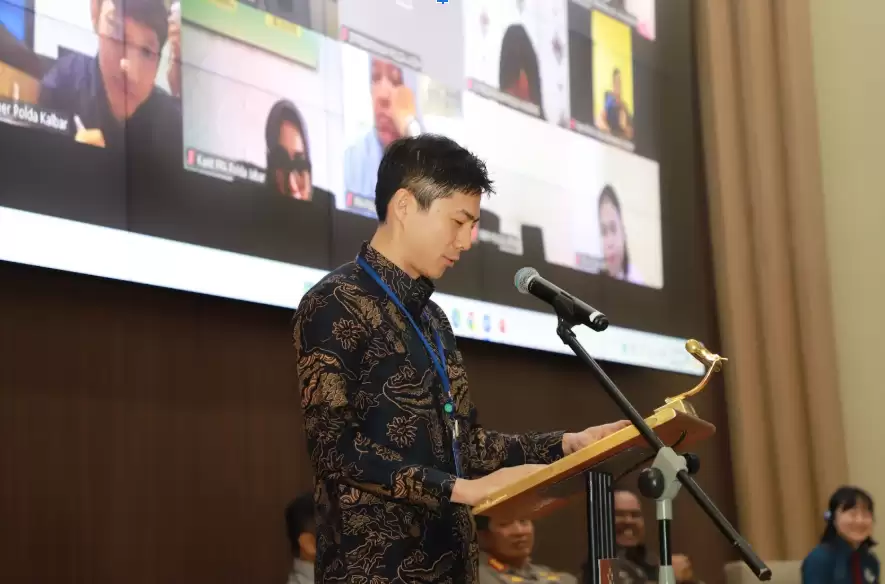
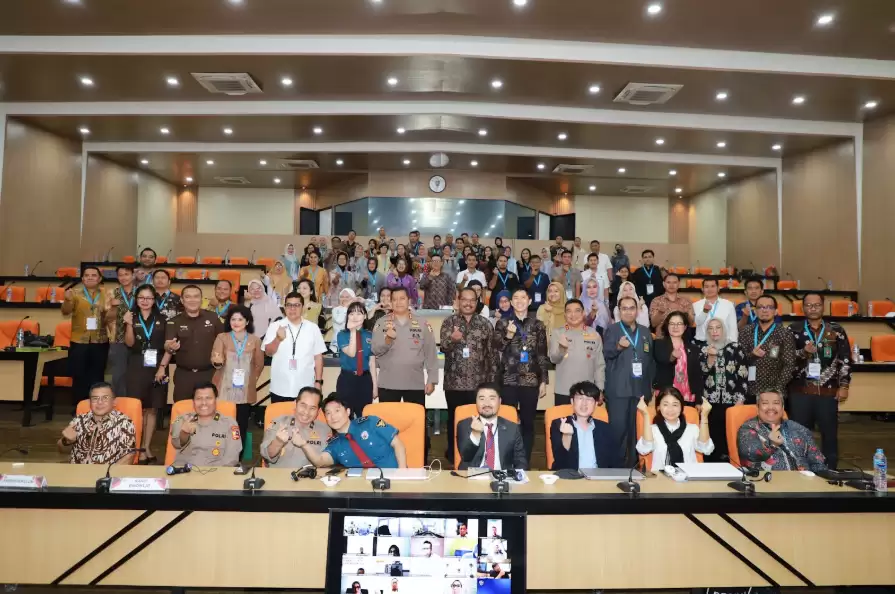
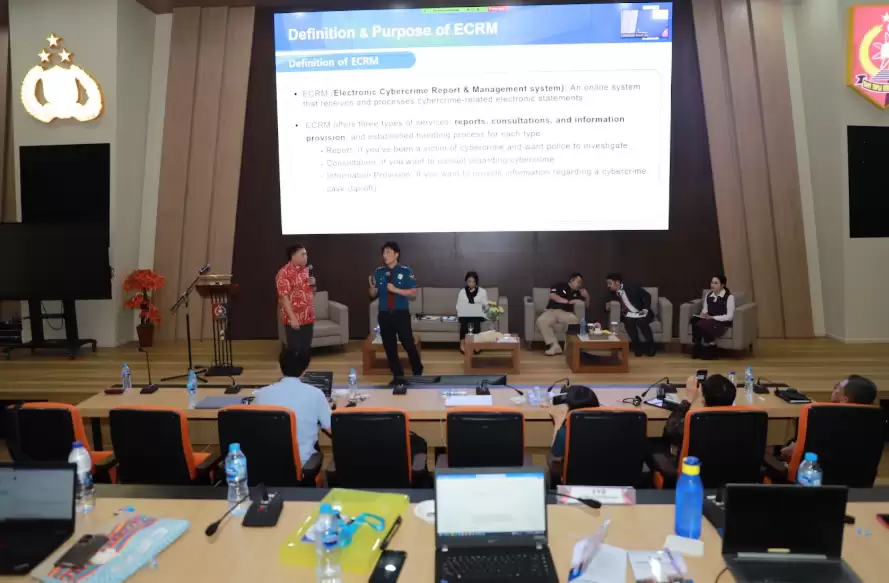
Some of the speakers who spoke were: Yuncheng Chang (Senior Inspector/Team Lead, Investigation and Legal Support Team, Gyeonggi Northeastern Sunflower Center and UNDP Digital Sex Crimes Consultant), Sungnam Jung (Professor/Investigator, Police Science Department, Korean National Police University and UNDP Digital Sex Crimes Consultant), Min Gyu Kang (Korean Police Investigation Academy), Senior Commissioner Jeffri Dian Juniarta (Head of Sub-Directorate I, Cyber Crime Directorate, Criminal Investigation Unit of the Indonesian National Police) and Senior Commissioner Enggar Pareanom (Head of Sub-Directorate V, Criminal Investigation Unit of the Indonesian National Police).
Critical Reflection
- Learning from the work of KNPA, the police need to work professionally, which is achieved through various training and schools, and not be afraid to evaluate the performance of their own institution, especially if there are mistakes or failures in responding to major cases.
- Learning from the responsive working mechanism for gender-based violence cases in South Korea, the government has a working system that requires all stakeholders working for survivors and case resolution to be in the same room in order to coordinate more effectively. For example, telecommunications companies (Kakao Talk), related ministries (Ministry of Women and Children Protection and Ministry of Communication and Digital), civil society groups, hospitals, police and various institutions as needed. Currently, the South Korean government also has the Korea Communications Standards Commission to be a support team that can receive requests for content removal and other technology-related needs.
- Artificial Intelligence (AI) is used positively and developed based on the capacity needs of service providers and law enforcers, including the police. For example, currently KNPA has a PolBot feature to make it easier for survivors to report their cases of violence without having to go to the police station. This will save time and energy for fellow survivors and investigators in solving their cases.
- Indonesia perlu mengadopsi praktik-praktik baik KNPA dan di lokalisasi sesuai dengan kebutuhan di setiap daerah. Hal ini sangat penting karena implementasi UU TPKS sedang berjalan, begitu juga pembentukan Direktorat PPA-PPO yang baru saja diresmikan.
- In addition, the performance of law enforcement and various stakeholders in services for victims of violence also needs to be improved, especially in dealing with violence facilitated by technology. Cases in the field have developed very far, but human resources are still limited. This challenge also needs to be responded to quickly by the government so that in the future we can prevent violence in a more appropriate way.
See More:
REFERENCE
National Commission on Violence Against Women (2024). “National Commission on Violence Against Women Press Release on the Launch of the Annual Report on Violence Against Women Cases in 2023.”
Q3 Strategy - Rutgers International (2024). “Executive Summary Decoding Technology-Facilitated Gender-Based Violence.”
SAFEnet (2024). “Indonesia Digital Rights Monitoring Report January-March 2024.”
SAFEnet (2024). “Indonesia Digital Rights Monitoring Report April-June 2024.”
SAFEnet (2024). “Indonesia Digital Rights Monitoring Report July-September 2024.”
UN Women (2024). “FAQs: Trolling, stalking, doxing and other forms of violence against women in the digital age.”
UN Women (2024). “Repository of UN Women’s Work on Technology-Facilitated Gender-Based Violence (October 2024).”
University of Melbourne - United Nations Population Fund (2023). “Measuring technology-facilitated gender-based violence. A discussion paper.”
United Nations Development Program (UNDP) (2024). “Analysis of Technology-Facilitated Gender-Based Violence.”
Written by: Selina Prameswari


